NANUK 920 Protective Case
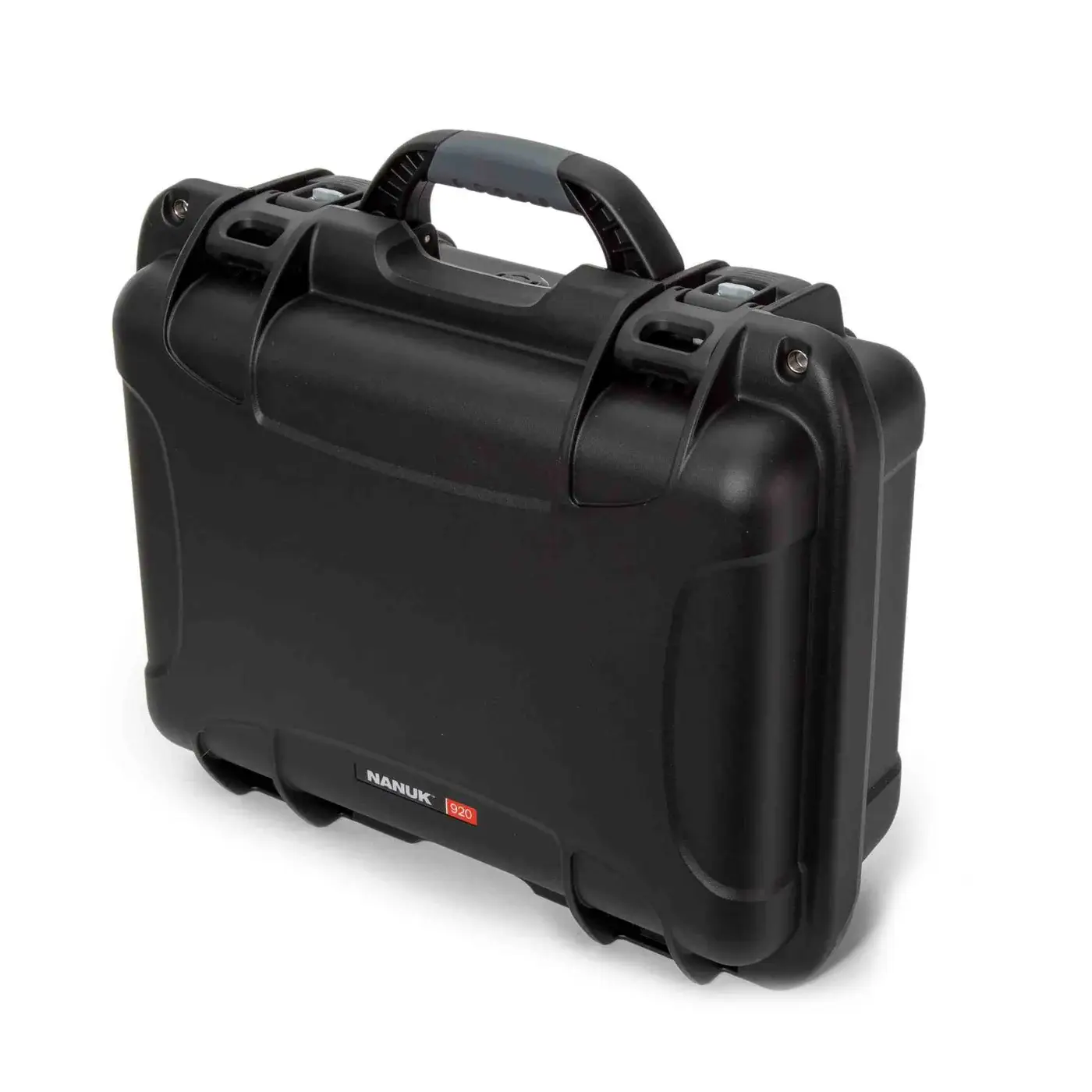
Presentation of the NANUK 920 case
The NANUK 920 is a mid-capacity case for professional equipment that travels frequently. It offers space for substantial kits without taking up as much room as a large wheeled case. A photography or video kit, a set of sensors, a portable measuring station or a specialist IT kit fits inside its waterproof, impact-resistant shell. The case is still compact enough to handle easily, store in a van or take as cabin baggage where airline limits allow.
Like the rest of the range, the NANUK 920 is built of NK-7 resin with thick walls, with reinforcement ribs and dimensioned angles to collect blows, vibrations and repeated manipulations. PowerClaw mechanical locks firmly lock the lid on its perimeter seal, ensuring effective protection against water, dust and projections. The automatic pressure-equalisation valve ensures the balancing of internal pressure after a flight or a rapid change of altitude, and allows to open the case without having to force on the closures.
In a fleet of professional equipment, the 920 is particularly suitable for the creation of standard kits: a box for a complete shooting system, a box for a test and measuring set, a box for a mobile computer station or an response kit. Each case becomes an identifiable functional block, ready to be loaded, deployed and stored without complex dismantling. For audiovisual services, maintenance teams, study offices or field teams, this approach simplifies logistics and reduces the risk of forgetting critical accessories.
Technical specifications of NANUK 920
The NANUK 920 case combines a high-strength rigid shell, a secure locking system and a design adapted to demanding environments. The NK-7 resin absorbs part of the impact without cracking, while the reinforcements cast into the structure help to maintain the geometry of the case even in case of point load or localized impact. PowerClaw locks are articulated on a stainless steel hardware and hold the plated lid on the seal, limiting water or dust infiltration. The carry handle, equipped with a flexible grip area, remains comfortable even when the case is loaded with dense equipment such as optics, batteries, metal instruments or electronic modules.
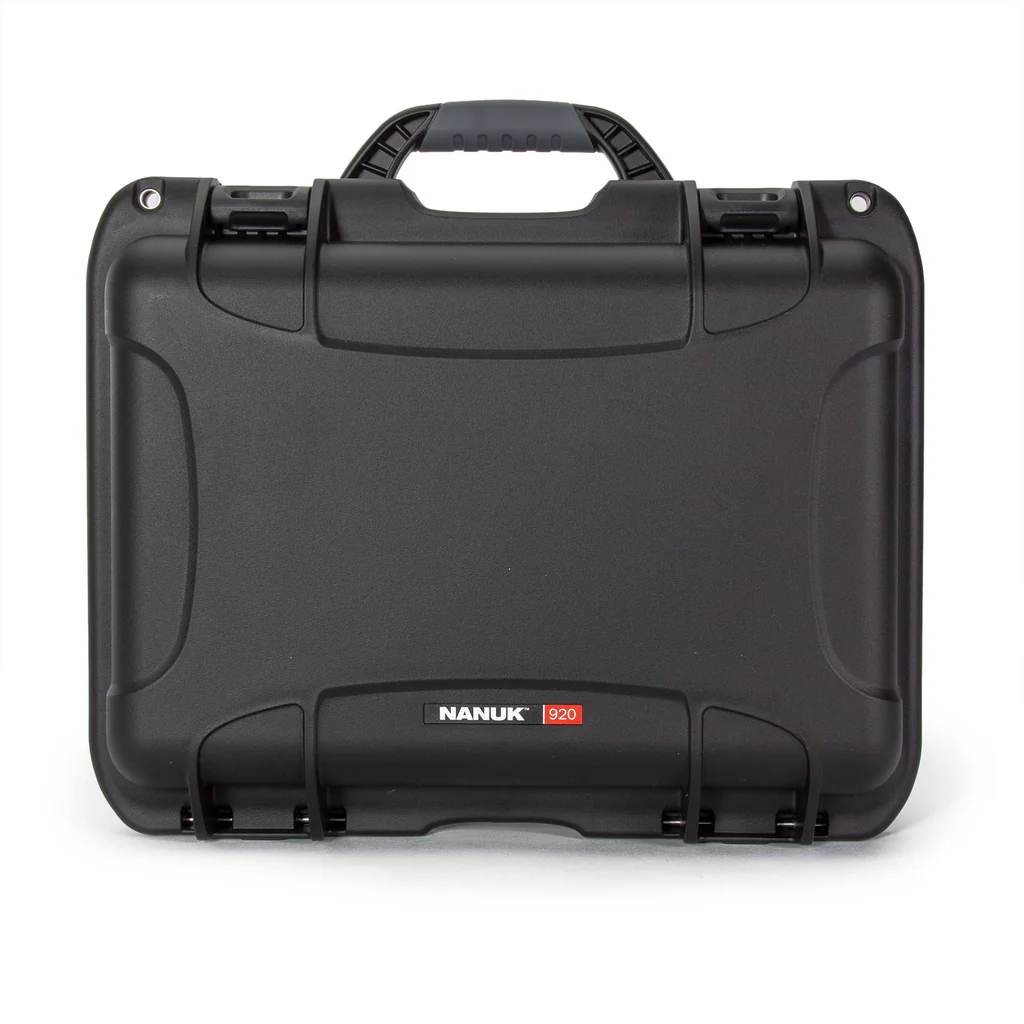
The format of the NANUK 920 offers a more generous case base than compact models, while remaining manageable for a single operator. This intermediate template is suitable for already structured technical loads: audiovisual equipment, instrumentation, specialised tools or electronic sub-assemblies requiring enhanced protection.
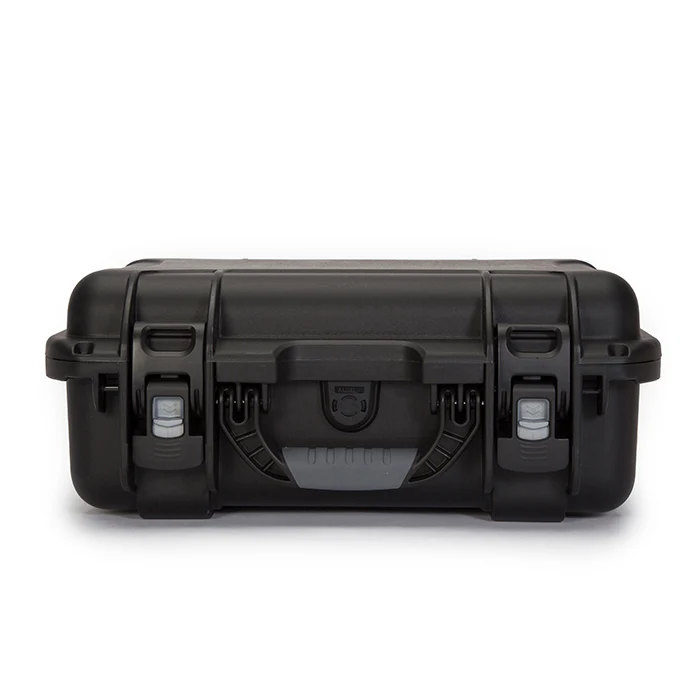
PowerClaw latches exert mechanical pressure on the perimeter seal and secure the opening against vibrations and shocks. Combined with reinforced padlock points, they complete the case protection with conventional locks or TSA-approved locks according to the proposed transport scenarios.
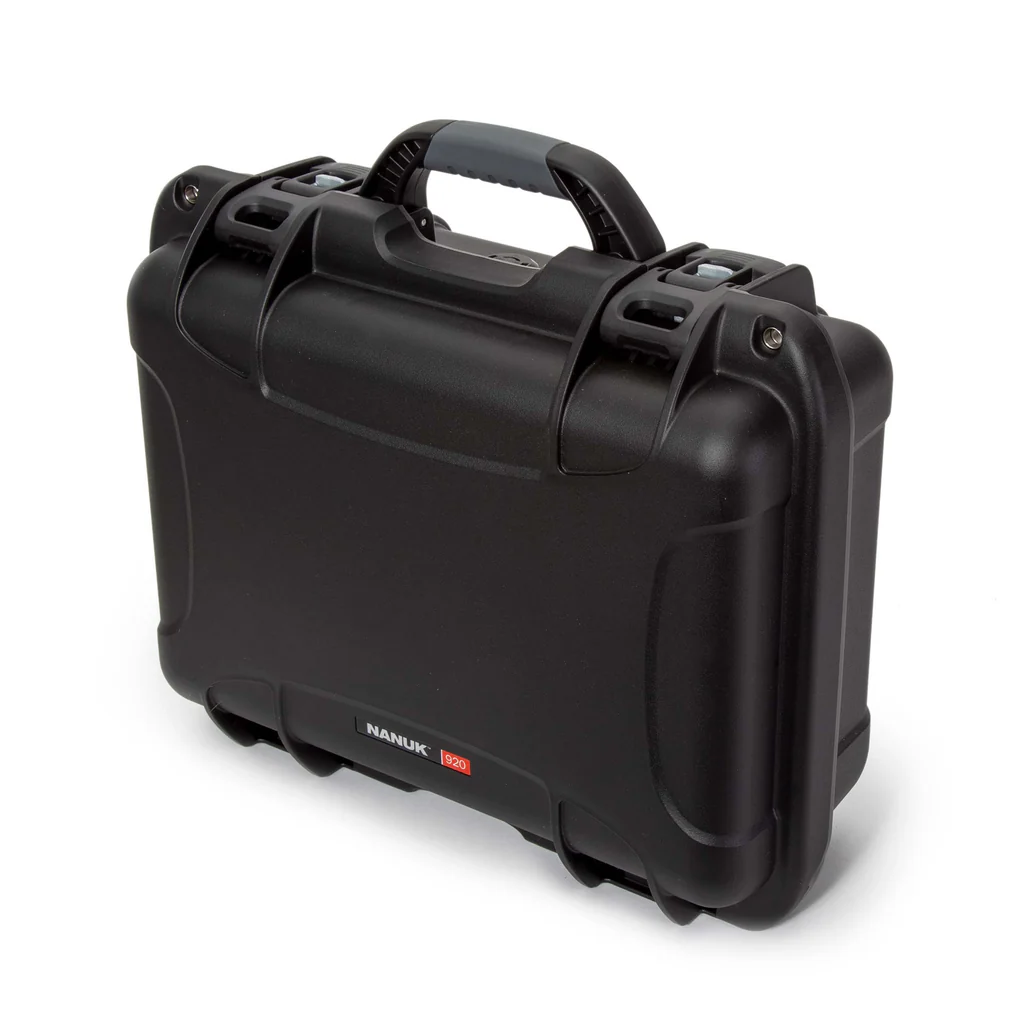
The ergonomic handle of the NANUK 920 is combined with an integrated handle holder that keeps the assembly in position when not used. This design reduces the risks of hanging in racks, conveyors or hold-ups, and contributes to the long life of the box in a context of frequent travel.
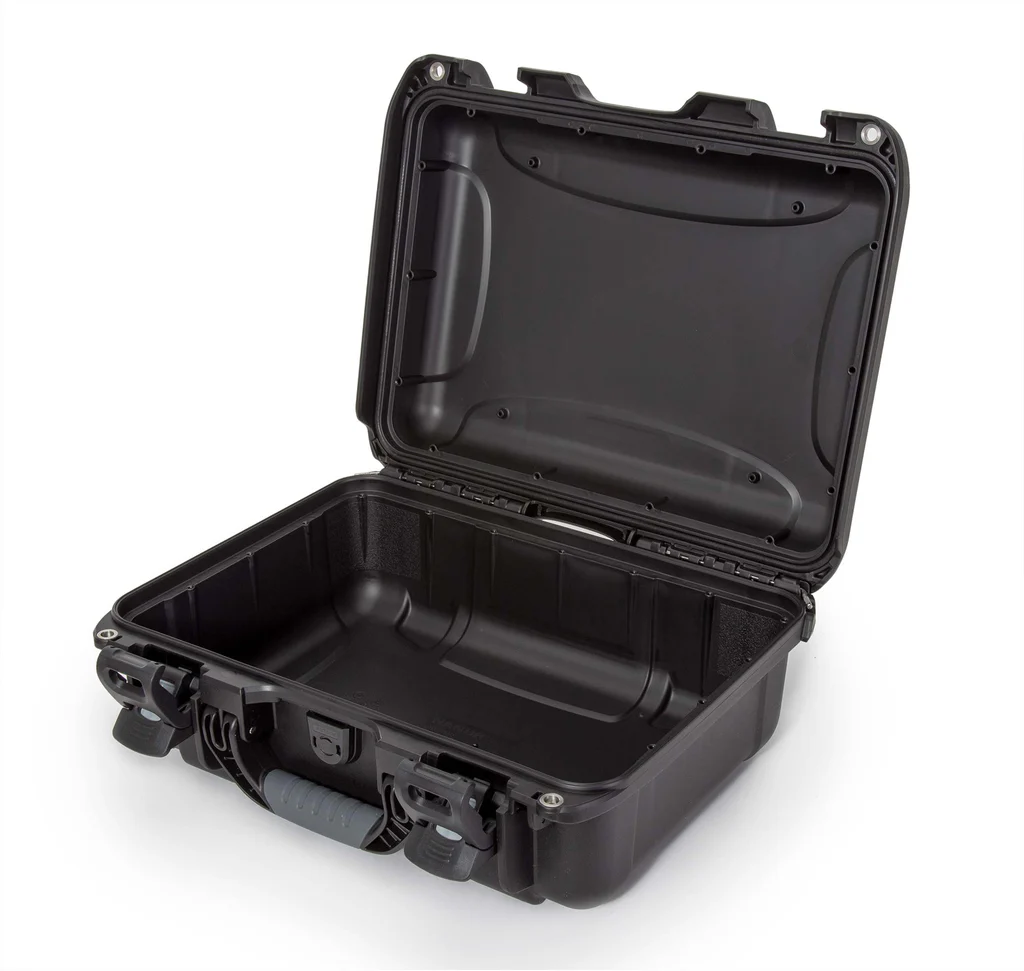
The NANUK 920 case base is compatible with various interior types: multi-layer foam, padded dividers, dedicated inserts or technical panels. The automatic depressurizing valve is integrated in such a way as to preserve the IP seal while facilitating the opening after a flight or a marked pressure variation.
Dimensions of NANUK 920
Internal dimensions (L x W x H)
- 381 mm x 267 mm x 157 mm
- 15 in x 10.5 in x 6.2 inches
- Internal volume: 16 L
External dimensions (L x W x H)
- 424 mm x 340 mm x 173 mm
- 16.7 in x 13.4 in x 6.8 inches
- Empty weight: 2.3 kg (approximately)
Interiors available for the NANUK 920
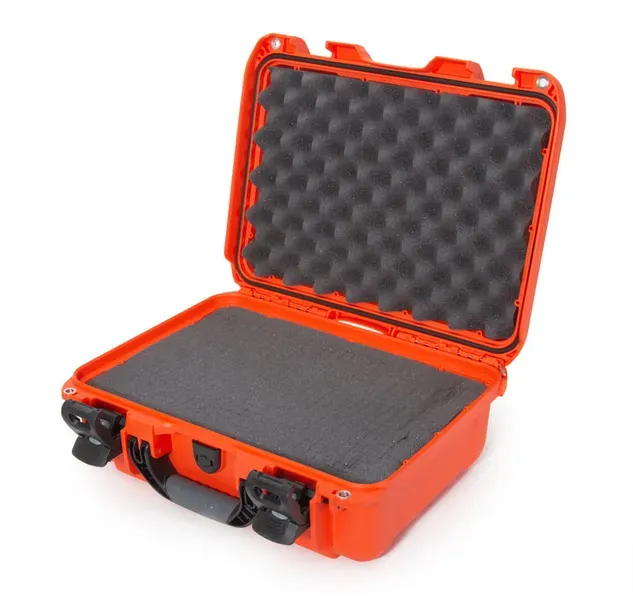
Version with foam
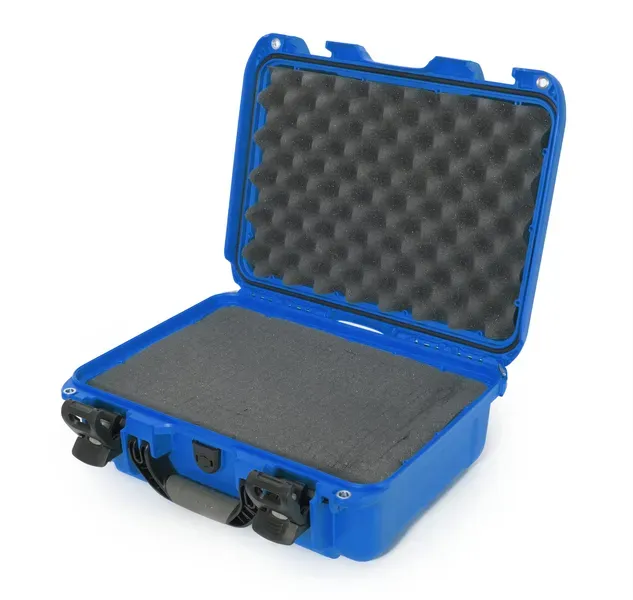
In foam version, the NANUK 920 is ready to build stable kits over time: recurring video configuration, control instrumentation, test station or maintenance kit. Pre-cut or cubed foam allows to shape precise housings around each component: housing, optics, recorder, measuring modules, power supplies or tools. The objective is to limit internal movements during transport, including when the case is handled in difficult terrain or loaded with other boxes. For teams that still use the same set of equipment, this approach facilitates visual controls and reduces the risk of forgetting an element when preparing missions.
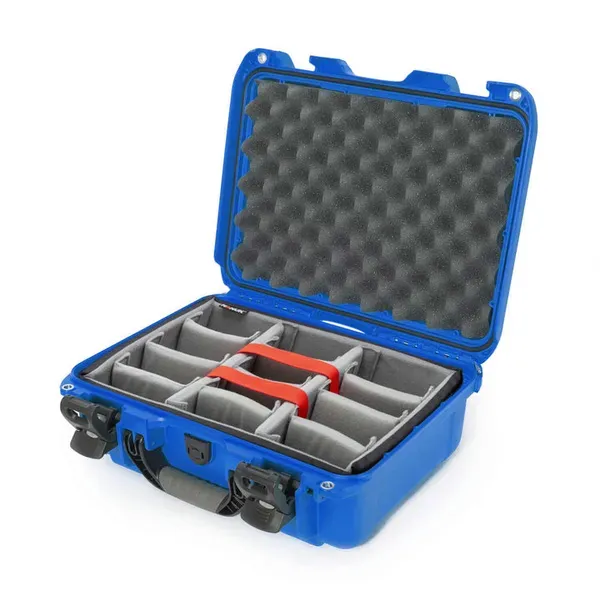
Version with dividers
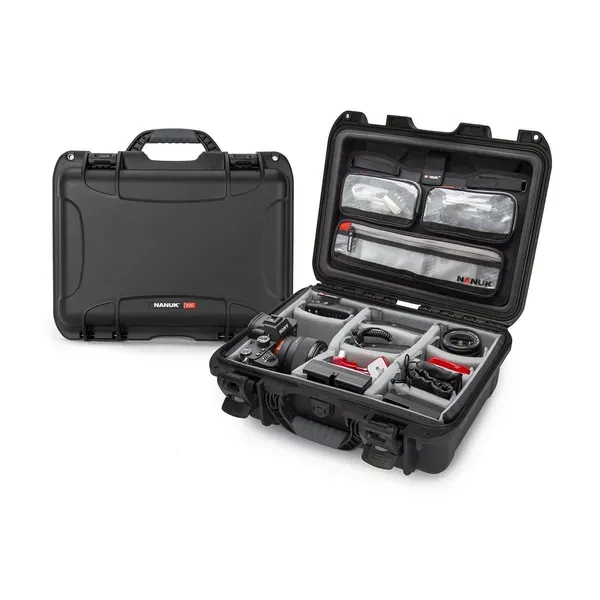
The padded divider configuration is suitable for users who regularly alternate between several types of payloads: one day a photo or video kit, the next day a measurement instrument or specialised tools, and then a set of on-board communication or computing. The partitions, fixed by self-adhesive bands, are easily repositioned to adapt the size of the compartments to the actual content. On a 920, this type of interior makes it possible to make the best use of the available depth while avoiding unnecessary empty areas. This is a suitable solution for equipment parks that have to evolve frequently or for providers that have to compose kits on demand.
Dedicated inserts and specific fittings
The NANUK 920 can also receive dedicated inserts designed for a specific family of devices: drone platforms, professional photo enclosures, industrial sensors, laboratory instrumentation or on-site measuring equipment. In the context of integration, the case can also be used as a basis for a complete technical case thanks to panel kits and custom machined plates. This approach is used to perform portable testing stations, stand-alone communication systems, on-site test control interfaces or ready-to-use on-board electronics solutions. The case then becomes a functional sub-assembly, easily deployable and replaceable in a fleet of equipment.
NANUK 920 models available
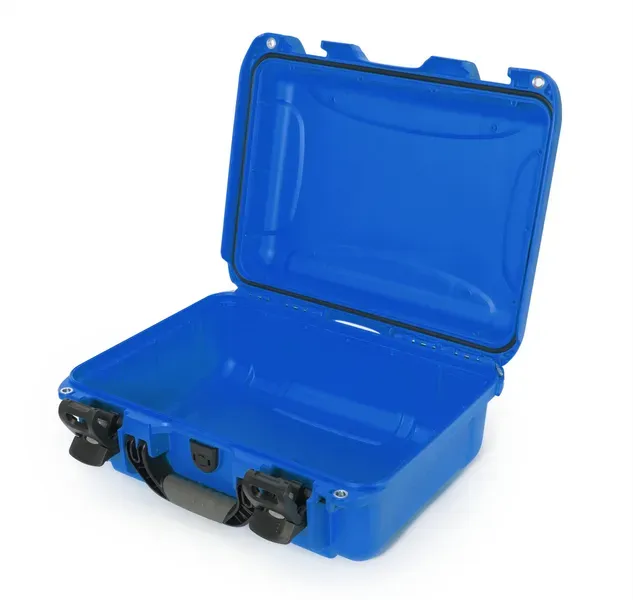
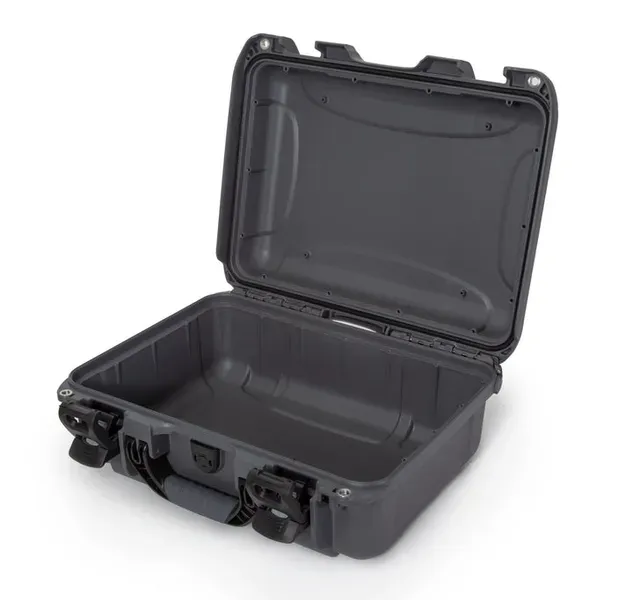
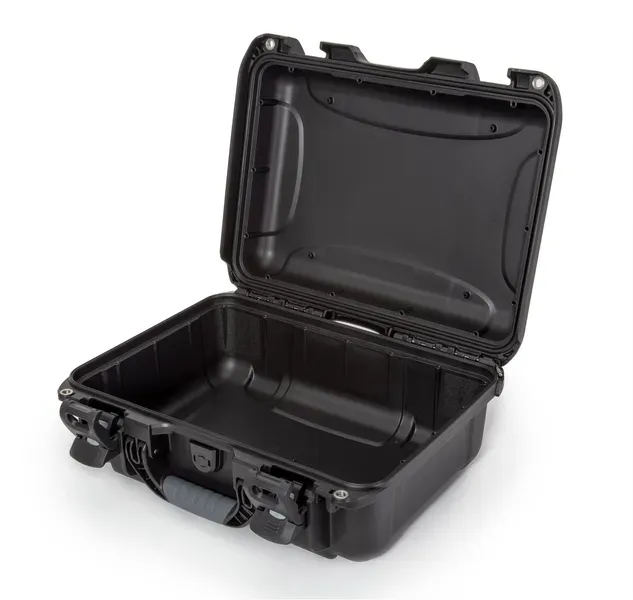
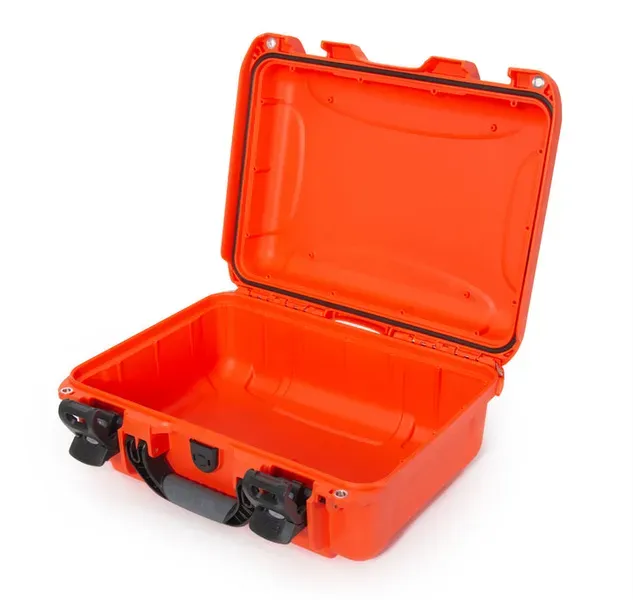
The NANUK 920 reference can be available in several versions depending on the type of interior retained and the colour of the shell. In a professional catalogue, it is common to distinguish at least empty variants for integrators, foam versions for frozen kits, and dividers versions for rolling parks. The examples below are intended to structure the page and can be linked to the actual site references by providing appropriate links and visuals.
NANUK 920 multi-purpose empty cases
NANUK 920 Cases with standard foam
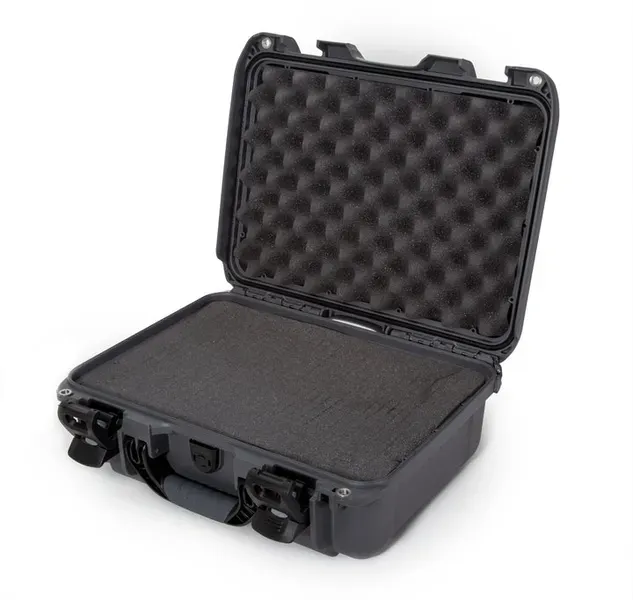
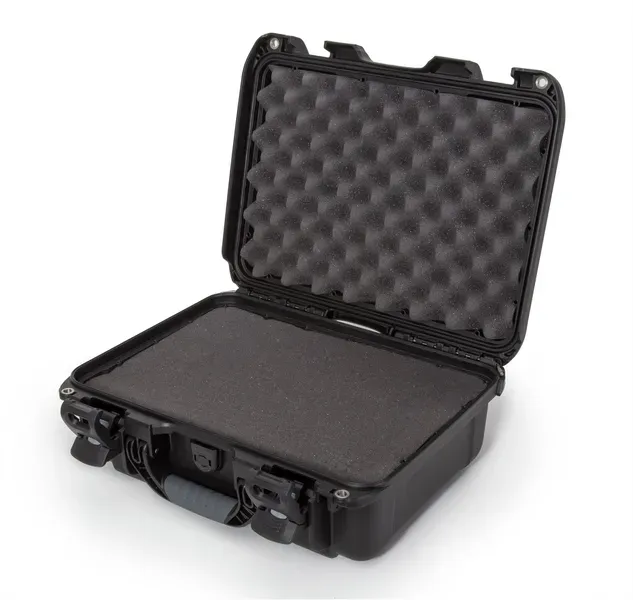
NANUK 920 Cases with standard dividers
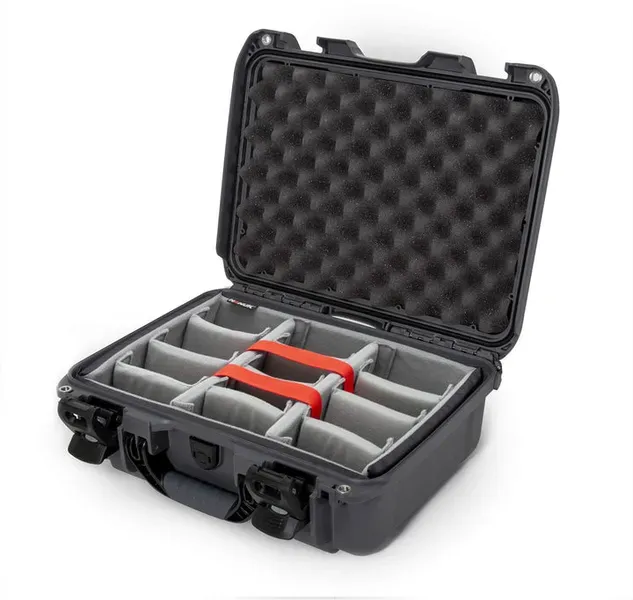
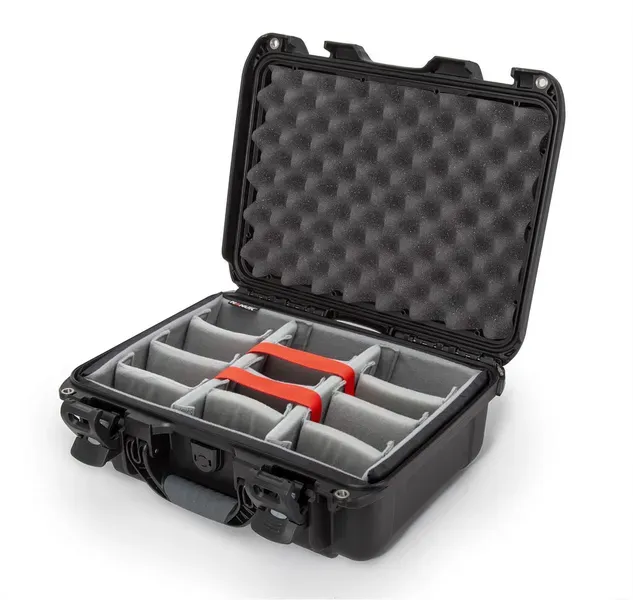
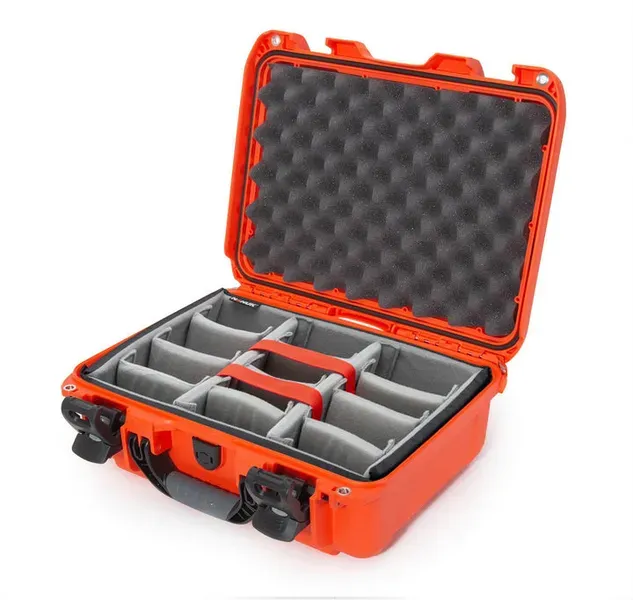
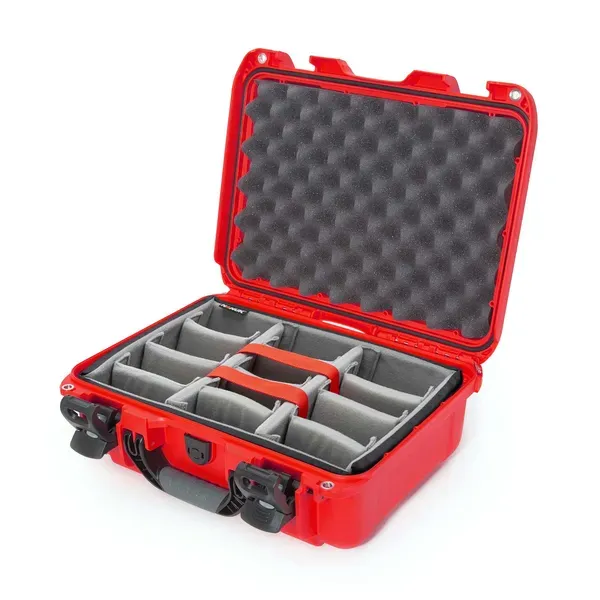
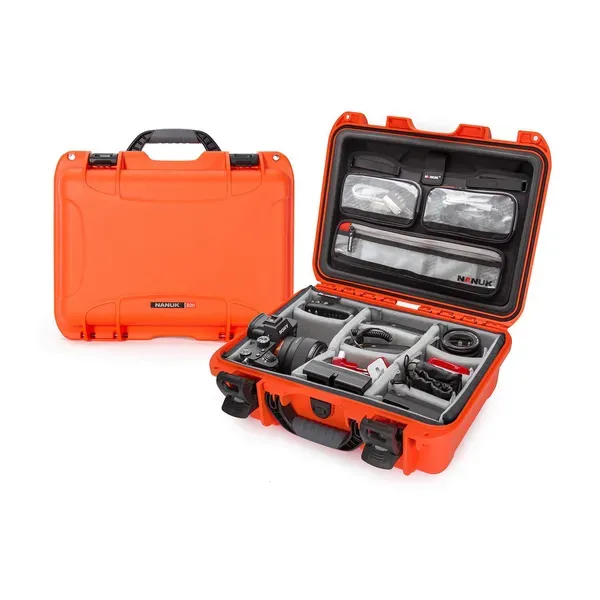
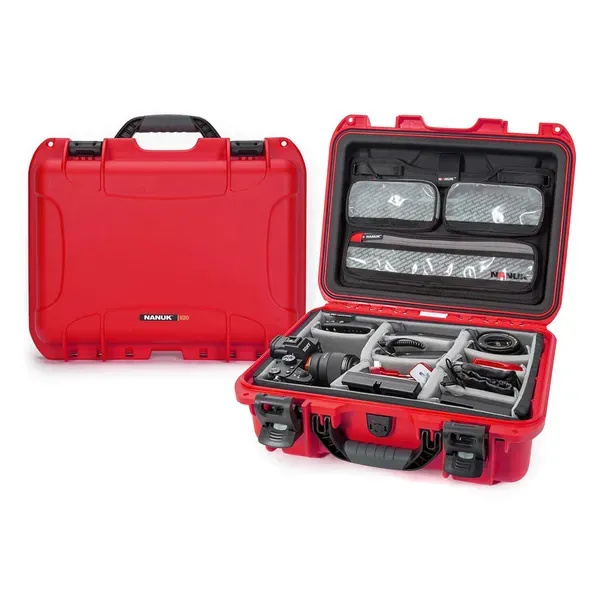
NANUK 920 Cases with photo kit dividers
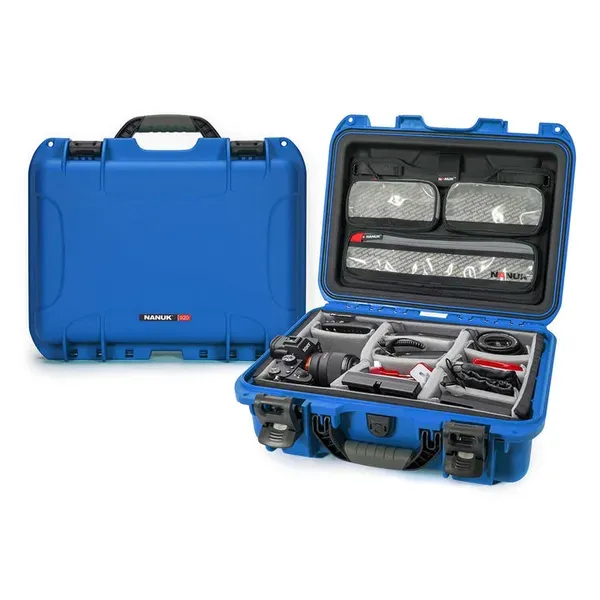
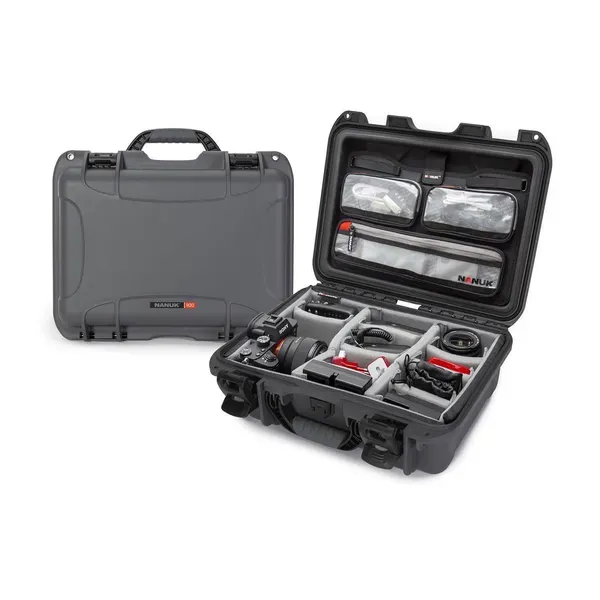
NANUK 920 compatible accessories
Several accessories complete the NANUK 920 case to adapt the level of protection, the comfort of transport and the control of internal conditions (humidity, organisation, integration of panels). Depending on the context, it may include securing access to the case during air travel, improving long-distance porting, controlling residual moisture, or transforming the case into a technical box.
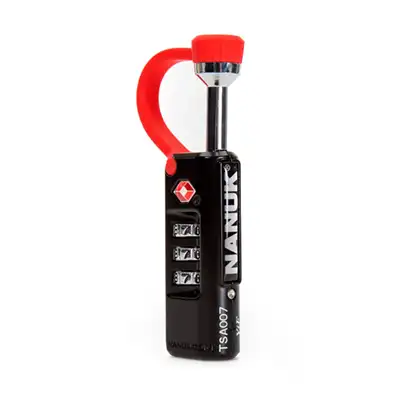
TSA-approved lock locks the NANUK 920 while remaining compatible with baggage checks at airports. It provides additional protection against unauthorized openings, while preventing damage to the box or latches during an inspection.
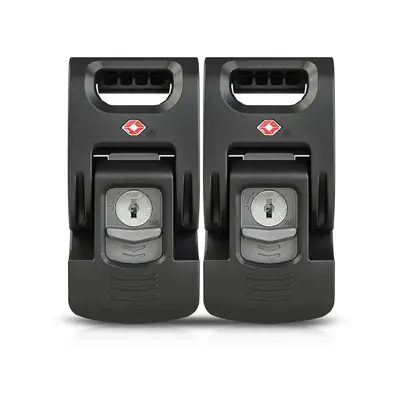
The kit for the modernization of the locks allows to replace the existing closures with a compatible version TSA. This option is interesting when 920 cases already in service are to be integrated into a fleet travelling regularly in the hold, without calling into question the internal organisation of the kits.
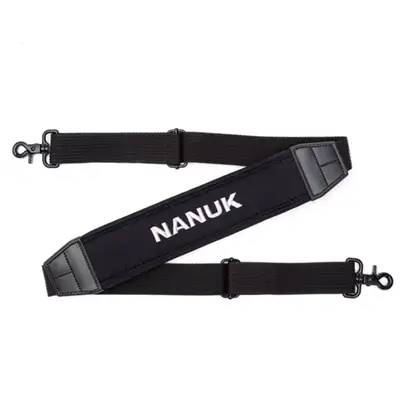
The shoulder strap dedicated to the NANUK cases facilitates the transport of the 920 when it is loaded with dense material. It frees the operator's hands to handle other boxes, install equipment or manage documentation, which is particularly useful in filming, site inspection or technical work.
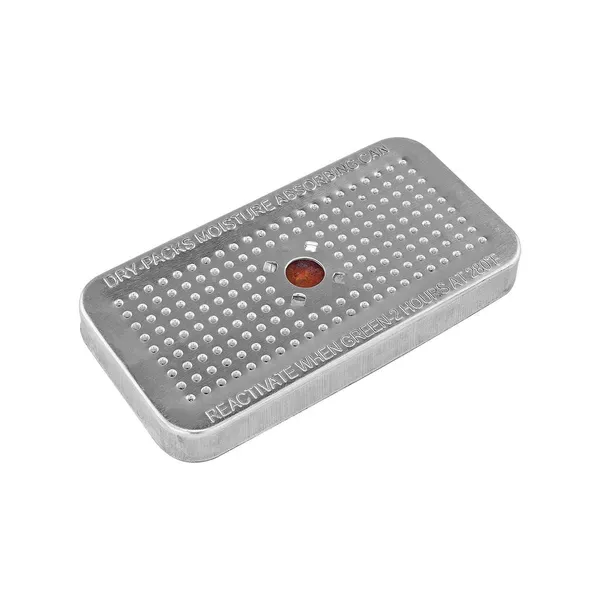
The reusable desiccant container is designed to limit the effects of moisture and condensation inside the case. Placed in NANUK 920 close to sensitive equipment (optical, electronic, sensors, connectors), it absorbs excess moisture and reduces the risk of corrosion, mould or degradation of optical surfaces. This accessory is particularly relevant for equipment stored in a wet environment, in a non-air-conditioned warehouse or under repeated condensation cycles.
For advanced technical integrations, polycarbonate or aluminium panel kits can also be used to attach interfaces, connectors or displays on the case front. Combined with a suitable internal layout, they transform the NANUK 920 into a ready-to-use measuring unit, control station or on-board system.
Recommended compatibility and use
By its internal dimensions and volume of 16 litres, the NANUK 920 covers a wide range of applications for the image, computer, industry and measurement industries. It can receive a professional photo or video case with several lenses, an external recorder, power supplies and accessories, without reaching the footprint of large roller cases. In the field of drones, the 920 is suitable for medium-sized platforms with radio control, batteries, chargers and mission accessories, when the kit must remain hand-carryable over long distances.
In terms of instrumentation and maintenance, the case allows a coherent set of testers, sensors, measuring clamps, converters, communication interfaces and specialised tools to be assembled. Combined with upholstered inserts or dividers, it helps to structure homogeneous kits for field interventions, metrology, preventive maintenance or commissioning of installations. Mechanical protection, sealing and the possibility of locking make it a suitable solution for industrial environments, outdoor sites and frequent travel between agencies or customer sites.
Comparison with other NANUK cases
In the model hierarchy, the NANUK 920 is placed above more compact cases such as 909, 910 or 915, which are more intended for reduced payloads or highly optimised single camera kits. On the other hand, the top models (925, 930, 933, etc.) offer larger volumes for heavier systems, complete camera cages, multi-module workstations or measurement sets. The 920 occupies an intermediate position: it offers enough volume for a complete professional kit, while remaining transportable without wheels and relatively easy to handle in the forced spaces (technical bays, vehicles, cabins, confined spaces).
The choice between a 915, a 920 or a 925 depends mainly on the density of the material, the desired range of evolution and the carrying constraints. When a kit clearly exceeds the capacity of a 915 or a 910 but does not yet justify the congestion of a large case, the NANUK 920 is an interesting balance between protection, useful volume and ease of transport. In a complete fleet, it is common to see the 920 used as a reference format for multi-purpose technical kits, intermediate audio-visual configurations or portable measuring stations.
- See all protective cases
- View all NANUK cases
- Compare with NANUK 915
- Compare with NANUK 918
- Compare with NANUK 925
Frequently asked questions about the NANUK 920 case
What types of equipment can be carried in a NANUK 920 case?
The NANUK 920 is dimensioned to accommodate a complete professional kit in a still compact format. It is suitable for a photo or video case with multiple lenses, an external recorder, power supplies and accessories, but also for a medium-sized drone kit with radio control, batteries and chargers. In instrumentation, it allows to group testers, sensors, communication interfaces and specialised tools. The objective is to concentrate everything that is necessary for a mission in a single clearly identified box.
Is the NANUK 920 case suitable for air transport (cabin and hold)?
The NANUK 920 case is designed to withstand the stresses of air transport, with a rigid shell, a perimeter seal and an automatic pressure-equalisation valve. Depending on the companies and the nature of the equipment, it can be used in the cabin when the gauge and the weight remain compatible with the rules in force. In the hold, the use of TSA-approved locks or padlocks is recommended to secure access to content during transit phases. The valve facilitates the opening on arrival by compensating for pressure variations encountered in flight.
What is the difference between a NANUK 920 with foam and a version with dividers?
The foam version of the NANUK 920 is suitable for stable configurations over time, when the content changes little and every device must have a predefined housing. The foam limits micro-movements and effectively protects optics, fragile modules and instruments with complex geometries. The upholstered dividers version targets evolving parks and users who frequently reorganise their kits. The dividers are repositioned to quickly adapt the size of the compartments to the equipment actually on board, while maintaining a sufficient level of maintenance in transport.
How to protect sensitive electronics from moisture in a NANUK 920?
The NANUK 920 seal limits trade with the outside, but moisture trapped in the air and materials can remain problematic for some electronics, optics or connectors. Adding a reusable desiccant container inside the case allows to absorb excess residual moisture and reduce the risk of corrosion, mould or condensation on optical surfaces. This type of accessory is particularly relevant when the case is stored in a non-air-conditioned space, in a humid environment or under repeated transport cycles between air-conditioned and outdoor areas.
In which cases do you choose a NANUK 920 rather than a smaller or larger model?
The NANUK 920 is positioned as an intermediate format for already large kits, but must remain hand-carryable without tipping on a roller case. Compared to more compact models, it offers the margin needed to add accessories, power supplies, cables and add-on modules around the main equipment. On the other hand, when the kit becomes too large or too heavy for simple porting, it becomes more relevant to opt for a higher reference with wheels and telescopic handle. The 920 thus covers the segment where a compromise between useful volume, protection and manoeuvrability is sought.